
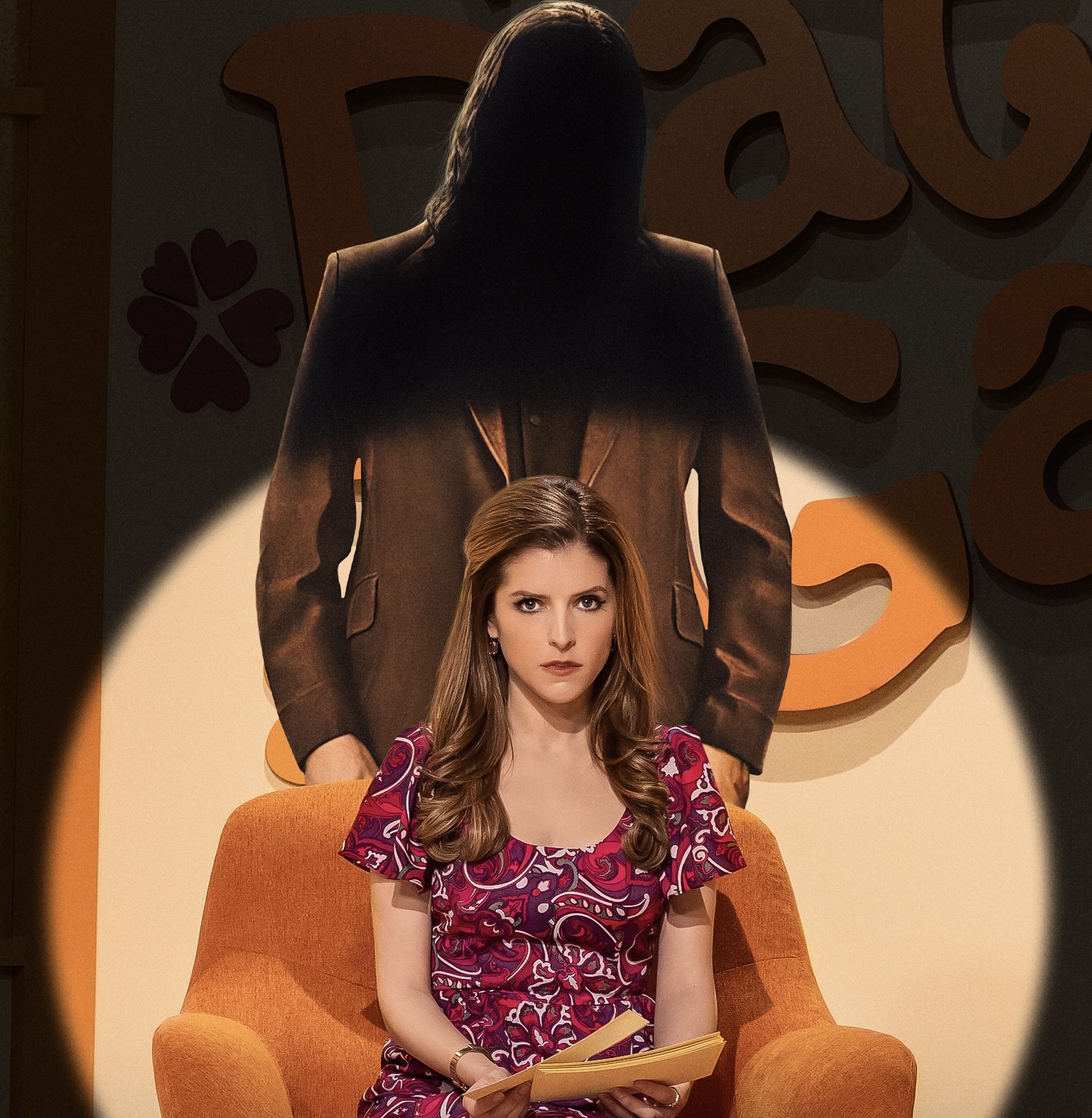
In the 1970s, serial killer Rodney Alcala got away with murdering up to 130 women, in a spree that went under the radar for a very long time. Anna Kendrick steps into the director’s chair to tell this story in ‘Woman of the Hour’, a film which explores both the deviant psyche of the killer and the diminished power of the women who had the insight to stop him.

The overall feel of the film is nuanced, with less focus on dramatic and climactic storytelling and more on character development, emotional realism and subtext. Kendrick’s male characters are sharply drawn and flawed, misogynistic and embedded in a system of gender-related power imbalances which encourages and enables their repugnant behaviour. We see the rude audition panelists, the pathetic flatmate, the obnoxious game show host, the dismissive security officer, the unsupportive boyfriend, the clueless contestant number one, the sleazy contestant number two. In the narrative of this film, they serve to highlight how women are on the receiving end of all of this ineptitude, rarely given the chance to truly speak their mind or rewarded for advocating for themselves. In fact, when Kendrick’s character, aspiring actress Cheryl, rewrites the inane questions given to her on the dating show into more intelligent ones, she is sharply criticised and derided by the host, even though hers are far more witty and entertaining.

On the other hand, Kendrick’s female characters are deeper, likeable, offering each other quiet support, encouragement and recognition. The make-up artist offers Cheryl sterling advice when she appears on the dating show, letting Cheryl know that she has her back. Laura, the audience member who recognises contestant number three as the man who potentially murdered her good friend, shows enormous resilience and courage to step away from the theatre and pursue justice. But it is the two female leads, Anna Kendrick’s Cheryl, and Autumn Best’s Amy, who rise above societal expectations, shattering the damsel-in-distress stereotype to out-manoeuvre a serial killer’s tried-and-true modus operandi. Both of them find their escape from Rodney Alcala, though both are terrorised, with teen runaway Amy’s violation horrific and unforgettable. The bravery and ingenuity of these characters contrasts sharply with the vapid male characters who, for all their buffoonery, still hold influence and power over the lives of women in the 1970s. In Kendrick’s film, this only serves to accentuate that this was an era in which women were still valued for their superficial attributes. At a particularly curious and tense moment, right at the middle point of the film, the killer actually asks this question of Cheryl, having just finished filming the TV show: he says did you feel seen, to which she replies I felt looked at.

In terms of filmmaking, ‘Woman of the Hour’ has a contemplative and often cerebral approach to direction. There are numerous juxtapositions of ugliness and beauty, including the opening scenes showing a woman being strangled against the stunning backdrop of a Wyoming mountain range. There are also interesting segues between light-filled scenes, including a TV spotlight morphing into the skylight of a house. There is almost no composed music, Kendrick preferring natural audio and additional foley elements to create a realistic, relatable world which draws the viewer in. It’s both understated and intelligent, and her directorial imprint leaves space for the viewer to wonder, contemplate, analyse. It also allows the words within the script to deeply resonate with the viewer. Questions delving into the nature of women (what are girls for?) parry with slow-burn introspective answers (it’s up to the girl) and explore the nooks of the character psyches and their decisions. It’s an effective pacing strategy which keeps character development front and centre and the story revealing itself evenly, carefully and cleverly.
In ‘Woman of the Hour’ we see a director finding sure footing in the feminist space which gives rise to women’s collective voices, especially those who are victims of violent crimes. Just after the release of the film, Kendrick confirmed that she had donated all fees made from this directorial debut to RAINN (Rape, Abuse and Incest National Network) and The National Centre for Victims of Crime. It seems that the mission of this young female director in amplifying the voices of women might extend far beyond the run time of this first film. ‘Woman of the Hour’ is well worth watching, pondering, and adds to the canon of horror films a deeply reflective and intelligent piece of work.






Leave a Reply