
On January 16, 2025, at the age of 78, David Lynch left us, bequeathing more than just a body of cinematic work – he left behind an era in film history where female characters played a central, often painfully complex role. His portrayals were not mere character studies but profound, sometimes disturbing explorations of the human psyche.
A Departure That Aches

(Acey Harper / Getty)
Lynch was more than a director – he was a visionary who blurred the lines between reality and dream, between beauty and darkness. His films were like dreams from which one couldn’t easily awaken, and his female characters were the soul of these surreal worlds.
In his absence, we’re left with a void in the cinematic landscape – a space once filled with his unique ability to challenge, provoke, and mesmerize. Lynch’s departure marks the end of an era, leaving us to ponder the profound impact he had on the art of filmmaking and our understanding of narrative itself.
Cinematic Portraits of Women
Blue Velvet (1986)

Isabella Rossellini as Dorothy Vallens embodied a woman torn between vulnerability and unexpected strength. Her performance was a masterpiece of ambiguity – a dance between pain and self-determination. Lynch’s camera lingered on her face, capturing every nuance of emotion, every flicker of fear and desire, creating a portrait that was both haunting and deeply human.
Wild at Heart (1990)

Laura Dern played Lula with a wild, untameable energy. A young woman on the run, simultaneously seeking and embodying love and freedom. Lynch understood like no other how to stage female rebellion. Dern’s Lula was a force of nature, a character that defied societal norms and expectations, blazing across the screen with an intensity that was both thrilling and unsettling.
Twin Peaks (1990–1991; 2017)

Laura Palmer, played by Sheryl Lee, was more than just a murder victim. She was the heart of a story about lost innocence, hidden traumas, and the dark secrets of small towns. Lynch’s exploration of Laura’s character, even in death, was a groundbreaking approach to storytelling, peeling back layers of a seemingly idyllic community to reveal the rot beneath.
Mulholland Drive (2001)

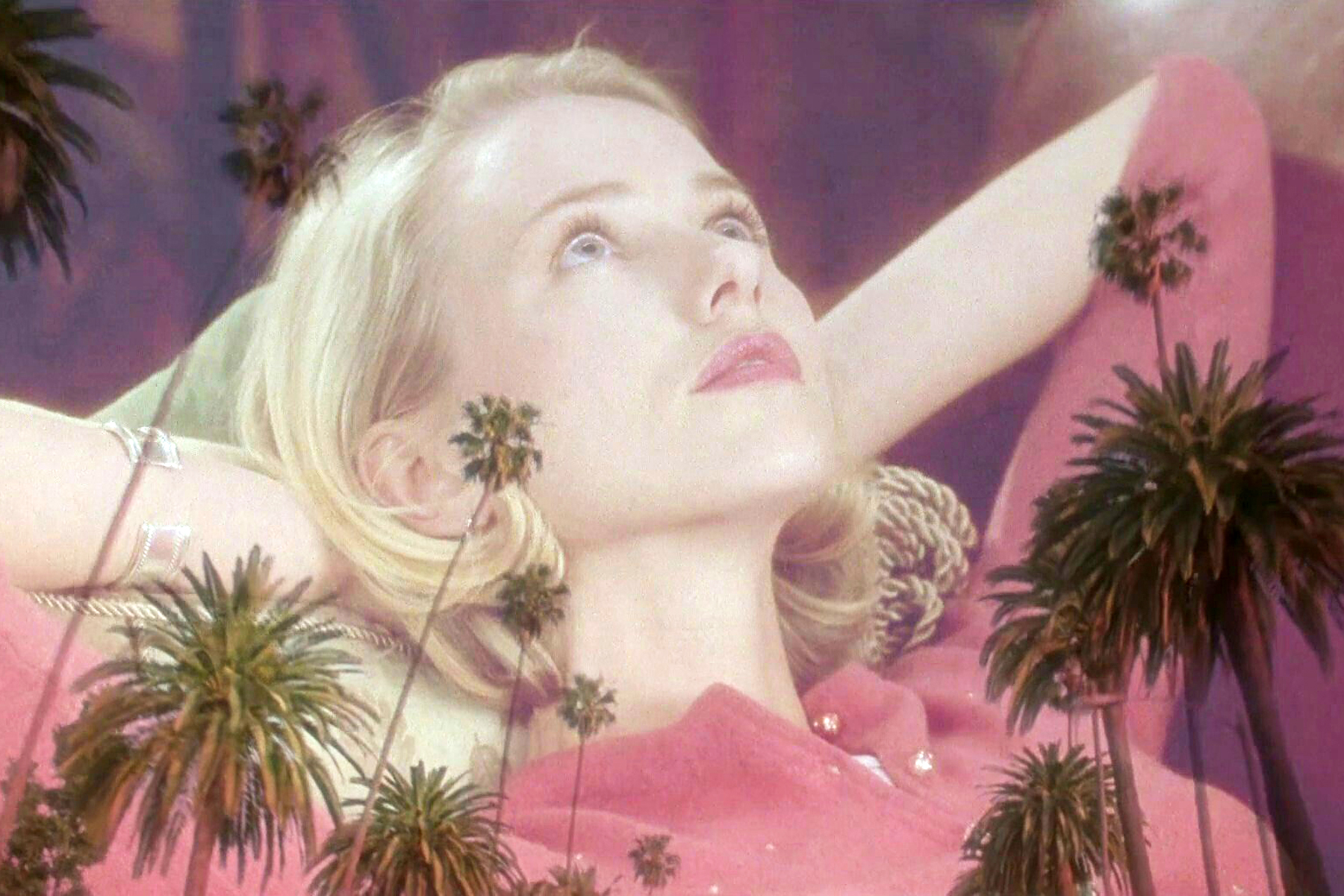
Naomi Watts’ role was a brilliant deconstruction of Hollywood dreams. Here, Lynch not only showed the fragility of identities but also the ruthless machinery of the film industry. Watts delivered a tour-de-force performance, seamlessly transitioning between naive hopeful and jaded cynic, embodying the duality that Lynch so often explored in his work.
A Critical Appreciation
Lynch was often criticized for his portrayal of violence. Yet his intention was never pure provocation, but a deeper exploration of societal wounds. His women were not victims, but complex survivors. Through his lens, we were forced to confront uncomfortable truths about power, desire, and the human condition.
The director’s unique visual style – the deep reds, the flickering lights, the ominous soundscapes created an atmosphere where these complex female characters could exist in all their contradictory glory. Lynch’s world was one where beauty and horror coexisted, where the line between dream and nightmare was perpetually blurred.
The Legacy of a Visionary

We will miss these surreal worlds where women were not just supporting characters, but the true protagonists. Lynch showed us that stories don’t need to be told linearly, that pain and beauty lie close together, and that the most profound truths often reside in the spaces between reality and fantasy.
We will miss David Lynch – the director who taught us to look behind the facades, who gave darkness a poetic language, and showed women in all their complexity and strength. His influence extends far beyond cinema, touching art, music, and television, forever changing how we perceive and interact with media.
His films remain – immortal, unfathomable, unforgettable. They stand as a testament to his unique vision, challenging each new generation of viewers to look deeper, to question their perceptions, and to embrace the strange and beautiful complexity of human existence.
In Lynch’s absence, we are left with a rich tapestry of work to explore and re-explore. Each viewing of his films reveals new layers, new interpretations, ensuring that while the man may be gone, his art will continue to provoke, inspire, and transform for years to come.
As we bid farewell to this cinematic giant, we celebrate not just his contributions to film, but his courage in pushing boundaries, his dedication to his unique vision, and his unwavering commitment to exploring the depths of the human experience. David Lynch may have left us, but his legacy ensures that his unique perspective on the world will continue to challenge and inspire us for generations to come.








Leave a Reply