

Horror has always been a mirror reflecting society’s fears, anxieties, and desires. But what often gets overlooked is how the genre has been a battleground for women—both on-screen and behind the scenes.
Over the past century, women in horror have evolved from helpless scream queens to final girls fighting for survival, and now, to complex, multifaceted protagonists and creators reclaiming the genre for themselves. This transformation reflects not just a change in cinematic tastes, but a broader societal shift toward empowerment and inclusion. Women are no longer confined to the shadows; they are shaping the future of horror, fearlessly stepping into roles that once seemed out of reach.
The Scream Queens of the 1920s–1950s: The Foundation
In the early days of horror, from the 1920s through the 1950s, women were most commonly depicted as damsels in distress, their screams echoing through the fog-drenched settings of films like Dracula (1931) and The Wolf Man (1941). Actresses like Fay Wray and Helen Chandler embodied this archetype, their characters serving as catalysts for male heroes to swoop in and save the day. These women were often mere props in the larger narrative of male- driven heroism or villainy.

Yet even within these restrictive roles, there was a sense of agency emerging. Barbara Stanwyck’s performance as the dangerous, seductive femme fatale in Double Indemnity (1944) blurred the lines between victim and predator. These women weren’t just waiting to be saved— they were influencing the story’s direction in new, subtle ways. They were the first seeds of what would become a powerful evolution.
The 1960s–1970s: Psychological Horror and the Rise of the Final Girl
The 1960s and 1970s brought the psychological horror boom, where women became central figures grappling with fear, paranoia, and control over their destinies. Films like Rosemary’s Baby (1968) and Psycho (1960) placed women at the heart of terrifying narratives. Mia Farrow’s Rosemary was not just a victim of demonic forces but also a commentary on societal expectations of motherhood and autonomy.


Then came the slasher genre, with John Carpenter’s Halloween (1978), where the now-iconic Final Girl trope was born. Jamie Lee Curtis’ Laurie Strode was more than a survivor; she represented the idea that women could fight back, reclaim their autonomy, and outsmart their male assailants. The Final Girl symbolised strength, defiance, and resilience—a dramatic shift from the passive damsels of the early 20th century. This era established women as fighters, survivors, and, most importantly, heroes in their own right.
The 1980s–1990s: Taking Control of the Story
The 1980s saw the Final Girl cement her place in horror. Women like Sigourney Weaver’s Ripley in Alien (1979) and Heather Langenkamp’s Nancy in A Nightmare on Elm Street (1984) became symbols of fierce resilience. Ripley was not just surviving—she was leading. In a genre where men traditionally took control, Weaver’s Ripley marked a pivotal moment when women were seen not just as victims or survivors, but as the very force that could overcome evil.

Meanwhile, Clarice Starling (played by Jodie Foster) in The Silence of the Lambs (1991) became a feminist icon in the thriller genre. A woman who used her intelligence, empathy, and strength to outwit male predators, Clarice was a hero in her own right, navigating a world filled with both psychological and physical dangers. These characters subverted traditional gender roles and challenged the audience’s expectations. While the 1980s and 1990s allowed women to take control of horror narratives on-screen, their roles behind the camera were still limited. Women like Mary Harron (American Psycho, 2000) and Kathryn Bigelow (Near Dark, 1987) were making strides, but the industry remained largely male-dominated. Nonetheless, the seeds of change were planted, and women were beginning to claim the genre as their own.
2000s–Present: Women Claim the Horror Genre
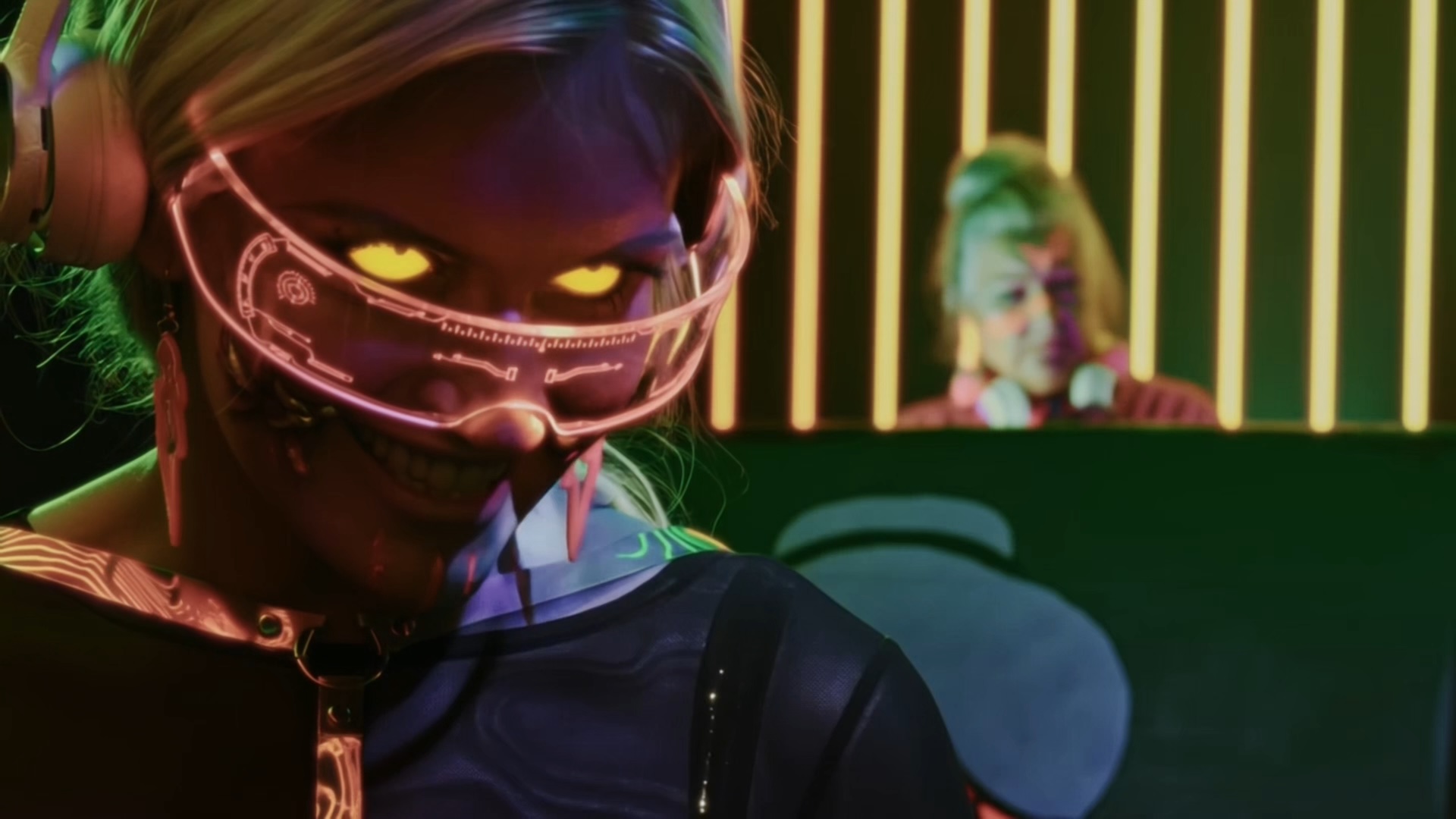
The 2000s and beyond have seen an explosion of female creativity and empowerment in horror, both on-screen and behind the scenes. No longer content to be merely the Final Girl, women are now complex, deeply flawed, and human in ways that had not been seen before. Films like The Babadook (2014), directed by Jennifer Kent, and Hereditary (2018), place women at the center of stories that delve into the horror of motherhood, trauma, and grief. These are not just survival tales—they are explorations of psychological depth, where women’s internal struggles are as terrifying as the external horrors they face.
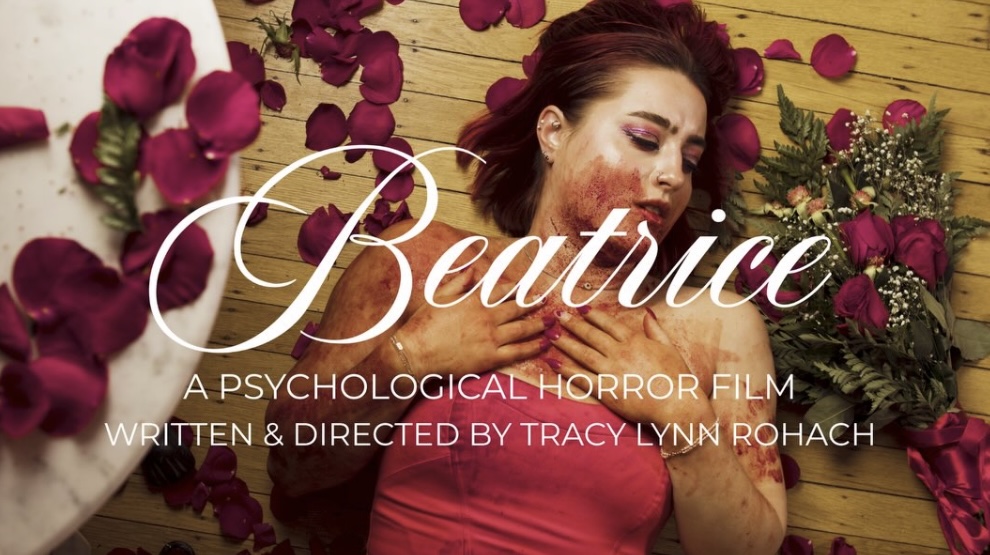
What makes this era particularly empowering is the rise of women behind the camera. Directors like Jennifer Kent, Karyn Kusama (The Invitation, 2015), and Ana Lily Amirpour (A Girl Walks Home Alone at Night, 2014) are not just contributing to the genre—they are redefining it. They are creating stories that centre women’s fears, desires, and power, subverting the tropes that once confined them.

These women are telling horror stories from their own perspective, shifting the genre’s gaze. The traditional male-dominated narratives of victimization are being replaced with stories of resilience, complexity, and, ultimately, survival on women’s terms.
A New Kind of Horror Heroine
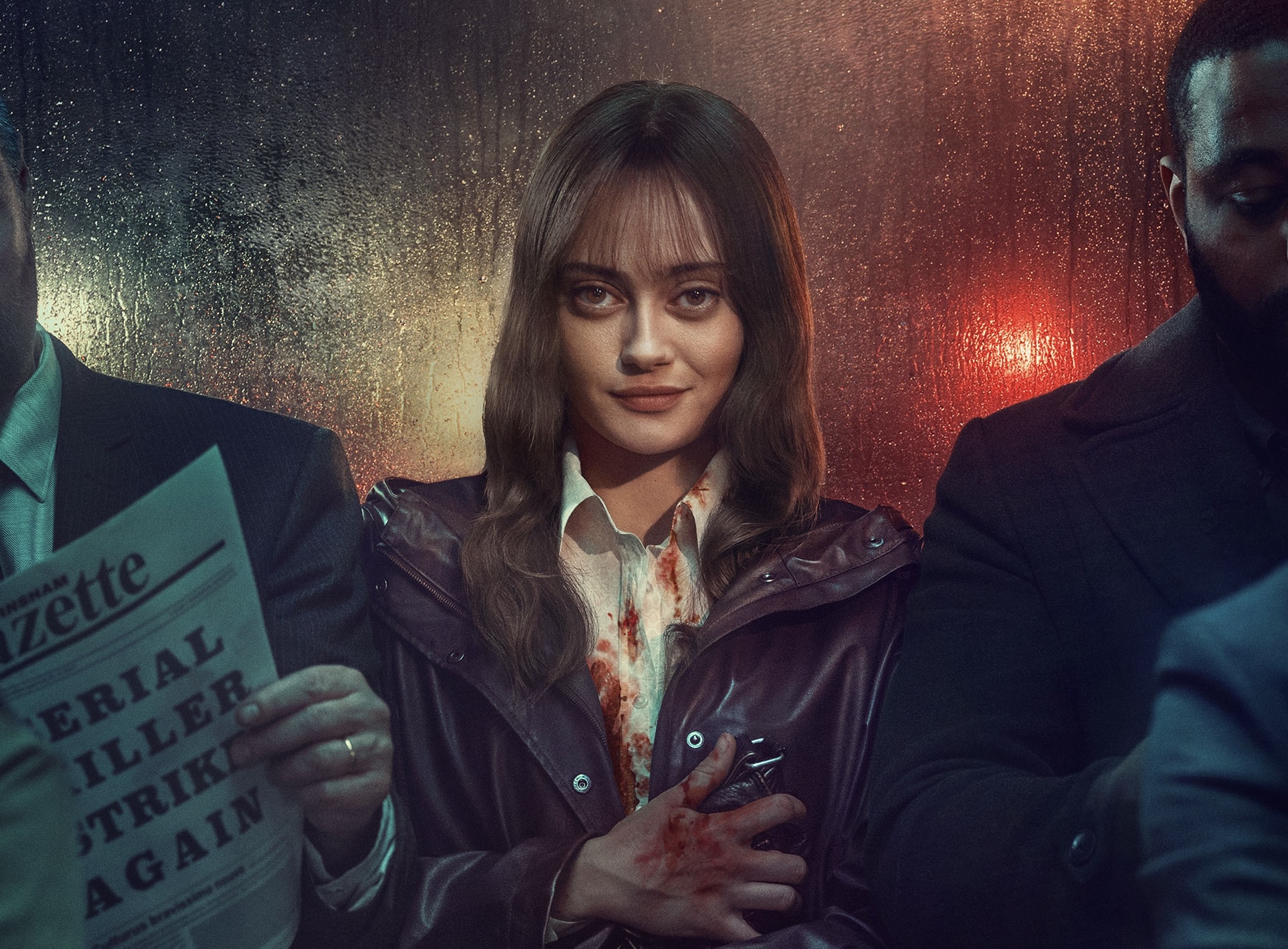
The modern horror heroine is no longer defined by her purity or her ability to fight off a masked killer. She is complex, flawed, and powerful. From Toni Collette’s portrayal of a grief-stricken mother in Hereditary to the layered psychological horror of Elisabeth Moss in The Invisible Man (2020), today’s horror films feature women grappling with their darkest fears—and often emerging stronger.
Horror has evolved from a genre that casts women as mere victims or pawns to one where they hold the reins of the narrative. Behind the scenes, female directors, writers, and producers are breaking barriers and taking control of stories that once left women voiceless. Horror, once a space of oppression and exploitation, is now a playground for feminist storytelling.
Conclusion: Women Own Horror Now
What was once a genre built on the screams of helpless women has become a genre where women’s voices are the most powerful, as seen in recent revenge thrillers Blink Twice and Promising Young Woman. From The Final Girl to the empowered horror directors of today, women have taken horror and made it their own. They are no longer confined to the shadows of victimhood but are standing boldly in the spotlight, rewriting the rules of terror. Women in horror are not just surviving—they are thriving. As filmmakers and creators, they are reshaping the genre into something richer, more inclusive, and undeniably powerful.


Horror has become a stage for women to explore their fears, desires, and identities, both on-screen and behind the scenes. And this is only the beginning. The future of horror is female, and it’s more terrifying and thrilling than ever.



Leave a Reply