
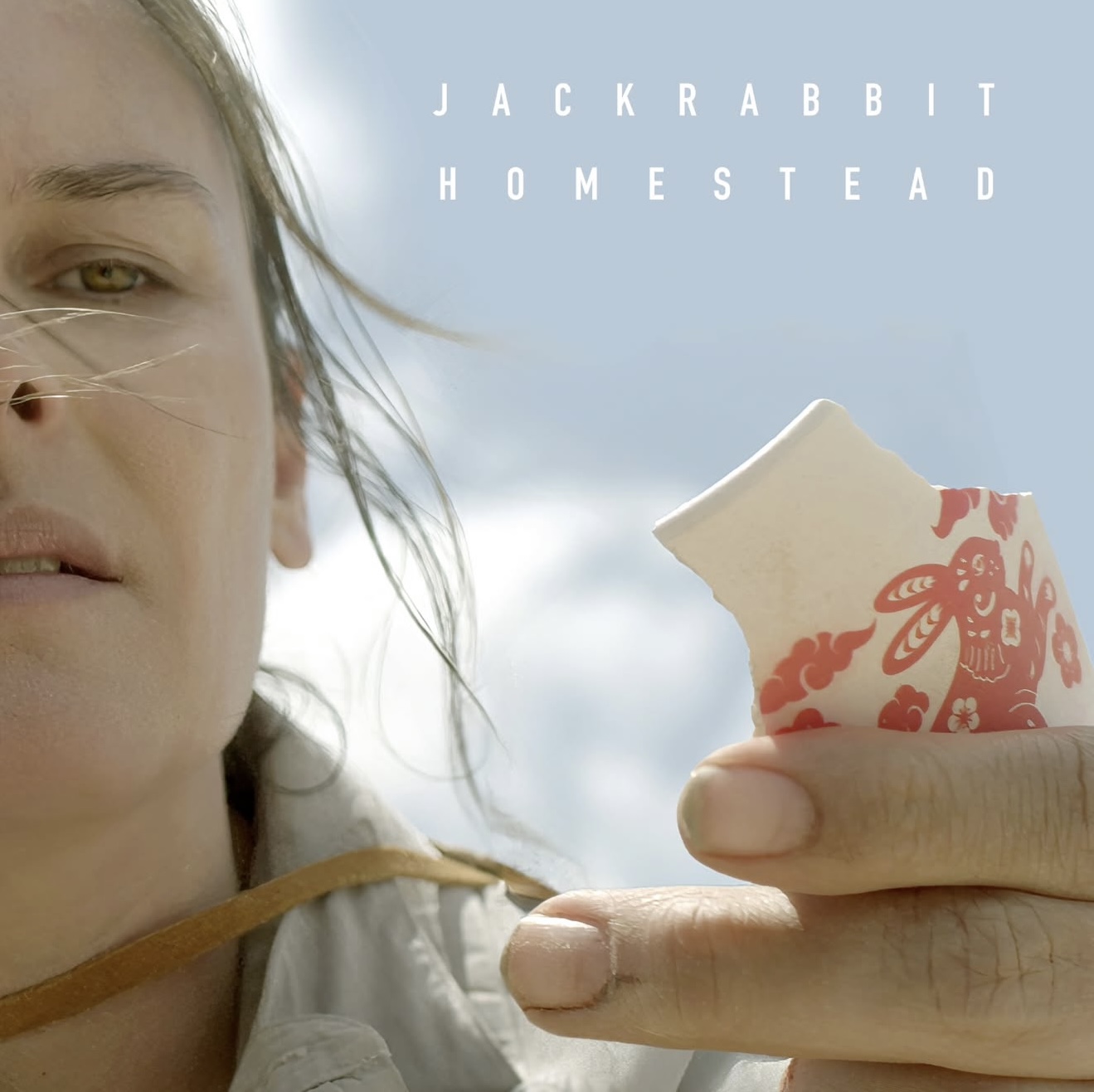
I sat down with writer, director Kimberlea Kressal about growing up on the Florida dirt roads surrounded by gators and grifters, and how she enjoys writing “Florida Noir”. Kressal’s impressive 20 year theater career has more than prepared her for a roller coaster of any personal and creative challenges that might come her way.

Making art on her own terms and making it within her community of creative collaborators has led Kressal to the laborious career in screenwriting. If Hollywood is indeed full of sharks they better watch out for Kimberlea Kressal. She’s not afraid to fight for her projects or punch a shark in the nose. It’s that grit and determination that launched her critically acclaimed musical comedy play Lesbian Love Octagon and it’s that same strength and perseverance that helped her make her new award winning psychological thriller short film Jackrabbit Homestead starring Yara Martinez.
Nicole de Meneses: What is Florida Noir?
Kimberlea Kressal: I define Florida Noir as these brightly lit dramas rooted in moral ambiguity. That doesn’t necessarily mean they take place in Florida but that there is a texture of oddity to them. That there is this space that is between good and evil. That there is a gray area. A lot of characters are good people doing bad things for good reasons. My experience growing up there was this lush and feral incredible world with really unusual people. Some of those people felt like monsters and villains and some were fun and loving. I have a lot of love and complicated feelings for my home state.
Nicole de Menese: What sparked your interest in writing? Who were some of your early inspirations of creative storytellers?
Kimberlea Kressal: I came to writing pretty late in my artistic journey. I started out in dance and then a public arts high school opened when I was in middle school that you had to apply for. I was lucky to get accepted into their program. It was one of the significant life events that changed the trajectory of my life. I studied theater from all sides to their credit. I’m still very close to the people running that program. We learned how to do costume design, stage management and acting. We were given a lot of artistic freedom and autonomy to create. I really enjoyed building the entire world and story more than I enjoyed filling any one role. I ended up going to NYU Tisch for theater directing. Where I still studied everything from acting, directing, playwriting, dramaturg, choreography, all of these things were a part of my program. I started directing devised theater in New York which isn’t that different from TV writing. As the director I would come in with a big idea or concept or question that I had to work with a bunch of actors to develop it and build a piece around that question. I did that for a long time and directed with a company called Wreckio Ensemble. I partner with them on my new short film Jackrabbit Homestead. I was writing a lot but I wasn’t identifying myself as a playwright or a writer yet. Lesbian Love Octagon was the first piece where I created the story on my own and that took over a decade.
The musical was set in the late 90s on the Lower East Side of New York City, Lesbian Love Octagon follows the journey of Sue, a less than butch dyke with a broken heart, as she tries to cope with losing her girlfriend to her ex-girlfriend. When Sue’s friends (a bevy of ex-girlfriends and ex-girlfriends’ ex-girlfriends) come rushing to her aid, they incite a tempest of lust and betrayal as they try to convince Sue that the answer to happiness exists in polyamory, pomade, and online personals. A riotous look at a righteous time in lesbian history, Lesbian Love Octagon was a musical for anyone who has ever loved wimmin’s bookstores, tofu, or cats.
When I started collaborating on the music with composer Will Larche I had someone to bounce ideas off of and it was a real creative partnership.

When that show was running for the second time in New York I ended up having a ruptured ectopic pregnancy on opening night and that disrupted my whole life. The events around it ended my marriage and I had to start over and figure out what I was going to do next. My show had closed. I had left my home and had come back to the city and was really trying to figure out what to do next and how to start over. It was a rough couple of years. I was grieving a lot. I didn’t have a job and I was sleeping on couches and living out of my car. A friend was in town writing on The Americans and she was like look. Do you just want me to tell you what you’re going to be when you grow up? I was like; I guess. I just felt so lost. I had this degree in acting and I really didn’t know what my next step was but I knew I needed to be financially independent and I needed to get back on my feet somehow. She was like look. You make theater like nobody else. You write it, direct it, produce it, market it, costume it. You were made to be a showrunner. You should learn how to write tv. I didn’t know what a showrunner was and I didn’t own a tv at the time. I really never thought about film or tv; it was never a path that had ever interested me. It seemed so mysterious. Even though I was a kid that grew up on television and loved it and certainly watched more tv and movies than was healthy but I just never thought about how any one went about that.
Again, I didn’t have a home or a job but I had really good credit and I got a credit card and I took a class on tv writing and everything clicked for me. I was like, Oh ya, this is everything I like to do in terms of building worlds, understanding characters and big ideas. I loved the structure of it. I felt like there was so much freedom in the structure of it. That class gave me some tools and the teacher, Alan Kingsberg, said you’re really good at this and he encouraged me to go to the Austin Film Festival. I did and I won a pitch competition there for a script that got me a little bit of attention. I had written that script in his class and was lucky that somebody I had met in that class had just signed with some managers and they were looking for more New York based clients. They signed me and then I started coming out to LA to take meetings and then eventually moving to LA to work.
Nicole de Menese: Big difference between Florida and New York. Did the gators and grifters prepare you for the big city? Was there a culture shock? What was that shift or difference in finding collaborators or finding a lgbt community that you could be yourself in?
Kimberlea Kressal: There was a bit of a culture shock. I had grown up in what I thought was middle class was probably more working class or depending on your outlook, working poor. I had gone to this school with people from all different kinds of economic backgrounds. It was a magnet school. There were people with a lot of wealth and people who were the children of migrants. I don’t think I had an understanding of the impact of class in my life at that point. As I was graduating my father had worked at a private estate in Palm Beach for a long time and they were selling that estate around the time i was going to college and I remember him telling me a story about when he saw the bill of sale it included all these things like the lawnmower the boats and that he was listed on it as well. Was he considered the same as a lawnmower or a boat? Part of this property? That was a real turning point for me in a kind of understanding of class.
Then I went to Tisch where most of the people I was going to school with had a lot of money. I was on scholarship and a work study. I had a lot of jobs while I was in school. I worked really hard because I knew it was costing me tons of debt. I had wonderful friends and collaborators but it was the first time I was really aware of the class difference. At the same time I was coming out. I became very politically minded. My work became more political and more feminist. I had a few queer friends in college but this is before Ellen had come out. It was early days but I was really drawn to the really out queer activists I saw and I became more militant and engaged and politically minded and I found that community in the late 90s.
For me that lesbian and queer community was already talking about those things that I found interesting like intersectionality around class, feminism and queerness. That really shaped the kind of theater I wanted to make and the path that I took when I graduated. Which wasn’t a traditional commercial path. Much like being an assistant in Hollywood, being an assistant to somebody in the world of theater and the opportunities to rise up often require that you have independent wealth and some sort of support system that I didn’t have. I had incredible and loving supportive parents that were like; Pursue your dreams! But not like; Here’s a bunch of money to live on. That was one of the biggest differences. I was also not prepared for the cold. I tried to wear flip flops up until November. My grandmother had bought me boots and I was so used to growing up barefoot or in flip flops that the first couple weeks that I wore them my feet were just covered in bruises. I was not prepared for the constricting nature of shoes.
But then New York became home and it was for a very long time. I feel very at home there. A big part of my extended family is the family that I built there.
Nicole de Meneses: With all your years of experience and all the things you’ve accomplished making a short film must have been easy right?
Kimberlea Kressal: You would think. The very first hurdle was an emotional trauma hurdle. I don’t know why it took me so long. I was looking around at so many people making shorts at the time and I had all these younger women filmmaker friends texting me; Why aren’t you doing this? You need to do this. Then a friend said to me; maybe the reason you’re not doing it is the last time you made something of your own and you put it into the world you almost died. That was a real aha moment. I thought maybe I should unpack some of that. Then it became an act of healing from so much stuff not getting made.
I took out a lot of projects to big studios with actor attachments during the pandemic and nothing sold. I have been in years and years of development hell. I had to make something myself. I was mostly scared of the fundraising part of it. I think that’s the hardest part for so many of us. I knew if I was going to do this I wanted to do it with people that trusted me and that I trusted and loved and had known for a long time so I had to get Wreckio Ensemble on board. The seed money for the film came from the theater company and then we crowdfunded and asked everyone in the freaking world to chip in. That was another lesson to me. I had spent a lot of time in my life building community and helping other people. The support was overwhelming how many people believed in us. To see that abundance of love and support for me as an artist was the first of many incredible things of this process.

Nicole de Meneses: I love that you greenlit yourself. JACKRABBIT HOMESTEAD is a psychological thriller about a woman seeking forgiveness in the unforgiving desert. When did Yara Martinez come on board the project?
Kimberlea Kressal: I’ve been friends with Yara for a very long time and I went to high school with two of the other actors and they went to college with Yara. We really became friends when I moved to Los Angeles and she and her husband have been a huge support system since I moved out here. Yara and I have talked about making things together for years. Once I got to know her I started writing for her, she would come to mind. I wrote it for her, knowing that she would say yes and she did. In a hilarious way, when we did the first table read she was like; Oh are you gonna send me the script? I was like; I sent you the script months ago. She was like; You did? I was like; You said yes months ago and you never read the script. She was like; I know it will be good. She worked her but off, knowing that she is used to being on these big shows where there’s a million people there to do a million things for her and instead watch her digging a hole out in the hot sun with just a piece of watermelon to get her through it. It was really inspiring. She really set the tone for this film and was so professional. She was so willing to work her ass off in really tough conditions.


Nicole de Meneses: What’s next for the film? Do you hope to get it on to a streamer or does it have a few more festivals to screen at?
Kimberlea Kressal: We’re doing the festival thing. One of my co producers and long term friend told me early on to figure out the wins. What’s the first win and the second win? Because there’s going to be so much rejection that’s out of our control. My win was I wanted to make this thing and I wanted it to exist. I wanted to make it with people I love. Then I wanted to show it in places where most of my supporters live like Florida, LA, New York and we hit that goal. I am going to use the film as a directing sample. I’ve written a feature that I want to direct. This short film will show people I’m up for the challenge.
Nicole de Meneses: If people want to support your work or take one of your writing classes, what’s the best way for people to reach out?
Kimberlea Kressal: They can follow me on instagram https://www.instagram.com/kkressal/ and they can sign up for a class on my website. https://www.kimberleakressal.com/coaching



Leave a Reply