
Blood. Gore. Guts.
Three words that are rarely synonymous with women: unless it’s a tasteless joke about that time of the month. For nearly seventy-five years, women have found themselves depicted in horror as the helpless damsel–overly sexualized and continuously victimized–through a male-centric lens.
In 1896, Georges Méliès kicked off the horror film genre with his short film Le Manoir du Diable. It is this film that has solidified Méliès as the first horror filmmaker. It would take another seven decades for a woman to direct a horror movie. While horror movies have historically been directed by men, women filmmakers creating visual stories that offer fresh perspectives and unique narratives have been gaining recognition in recent years.
Women entering sectors of the entertainment industry that were traditionally regarded as spaces for men only, have been deeply motivated by feminist perspectives, intersectionality, and inclusion. Rather than focusing on women as victims, female directors have created characters who are empowered through their agency and survival. Not only have women directed horror films where the female characters are no longer injured victims awaiting their fate, they have been able to bring their own diverse backgrounds and experiences into their directing. The nuances captured in their portrayals appeal to a broader audience, allowing the genre to become more inclusive and a better reflection of current society.
Multi-dimensional female characters are able to tell stories that can address certain systemic issues, such as repression and the patriarchy, as well as allow the audience to reflect on societal norms and real life horrors like violence against women and rampant misogyny. These characters are also able to engage in horror that’s more frightening than gore: psychological horror. By adding this dimension to a film, the directors can add depth that bypasses the age-old jumpscare tactic.

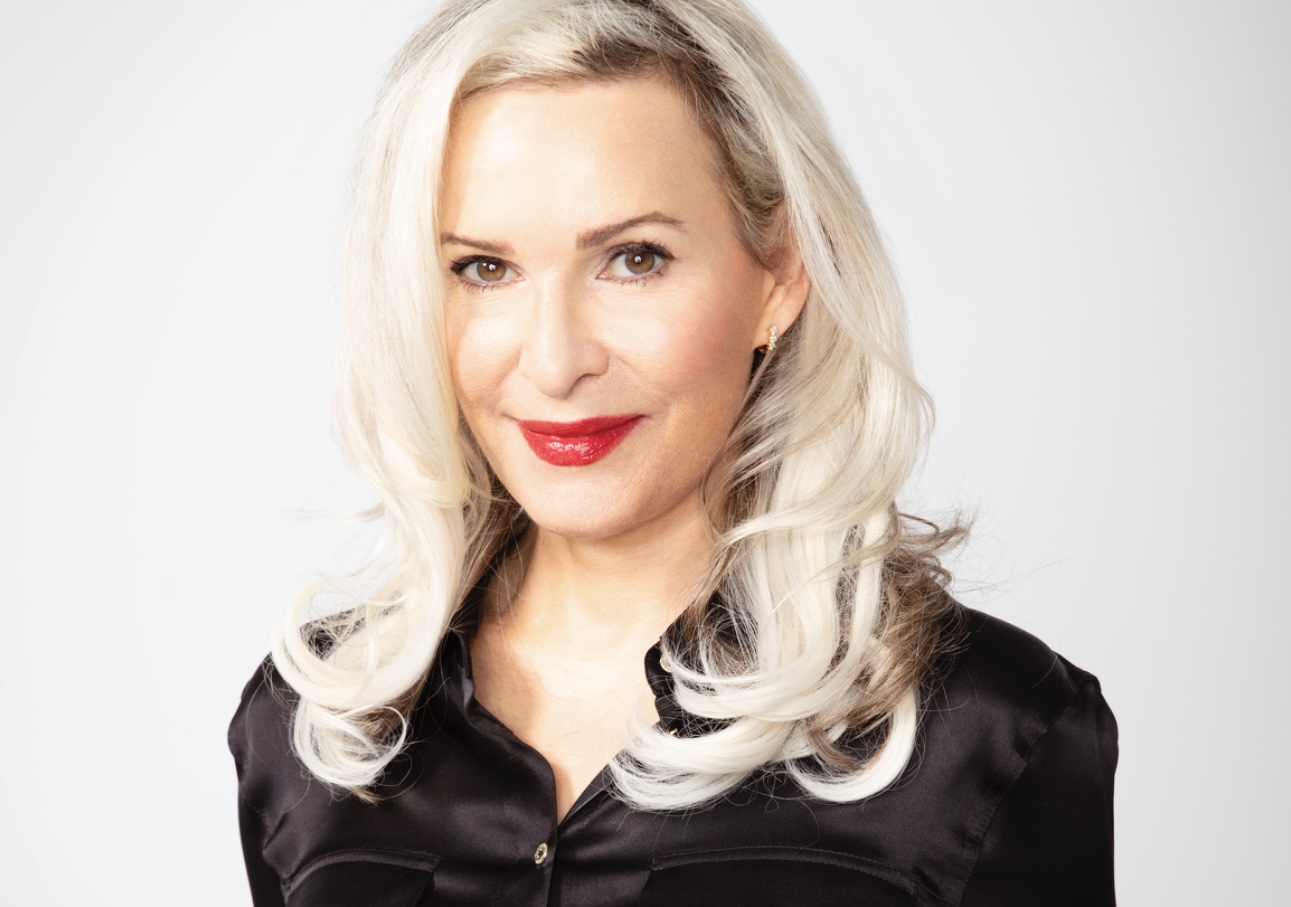
Joanne Mitchell was able to blend psychological horror with her character-driven story in her 2018 dark comedic short Sybil. Following a reserved mortician on a journey to create her own family, Sybil illustrates how psychological horror can be more unsettling than traditional gore. Mitchell showed Sybil at Grimmfest where it was an instant hit, where it garnered enough attention to later get an adaptation into a full length feature film, Broken Bird, that debuted at FrightFest 2024. Other horror creations Mitchell has directed, produced/co-produced, and written/co-written that are worth checking out: The Outing, Wolf Manor, Evie, Bait, Before Dawn, Attack of the Adult Babies, and Shell Shocked. With these brilliant horror-fuelled gems attached to her name, Joanne Mitchell is a powerhouse redefining the genre who’s worth keeping an eye on.
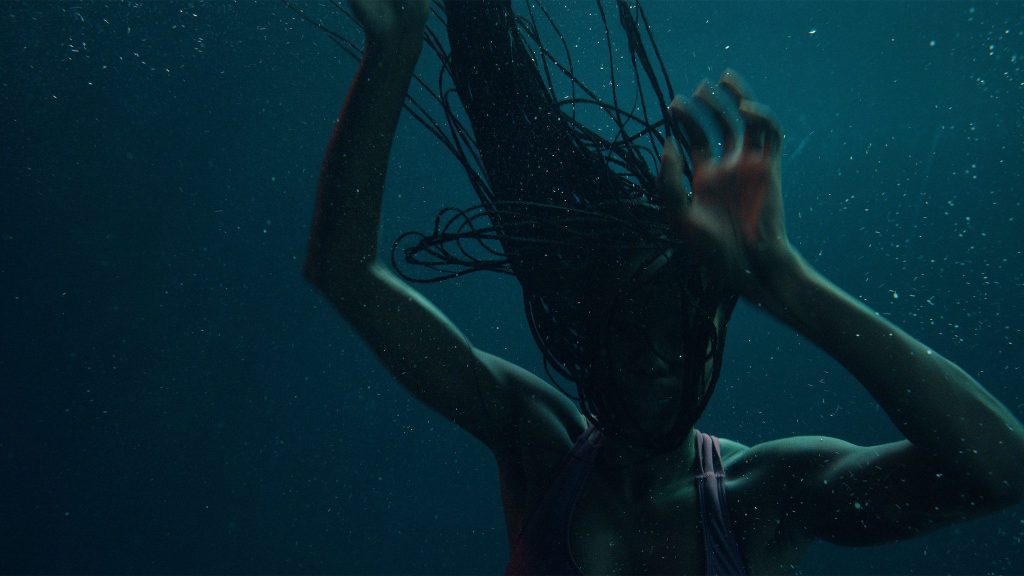
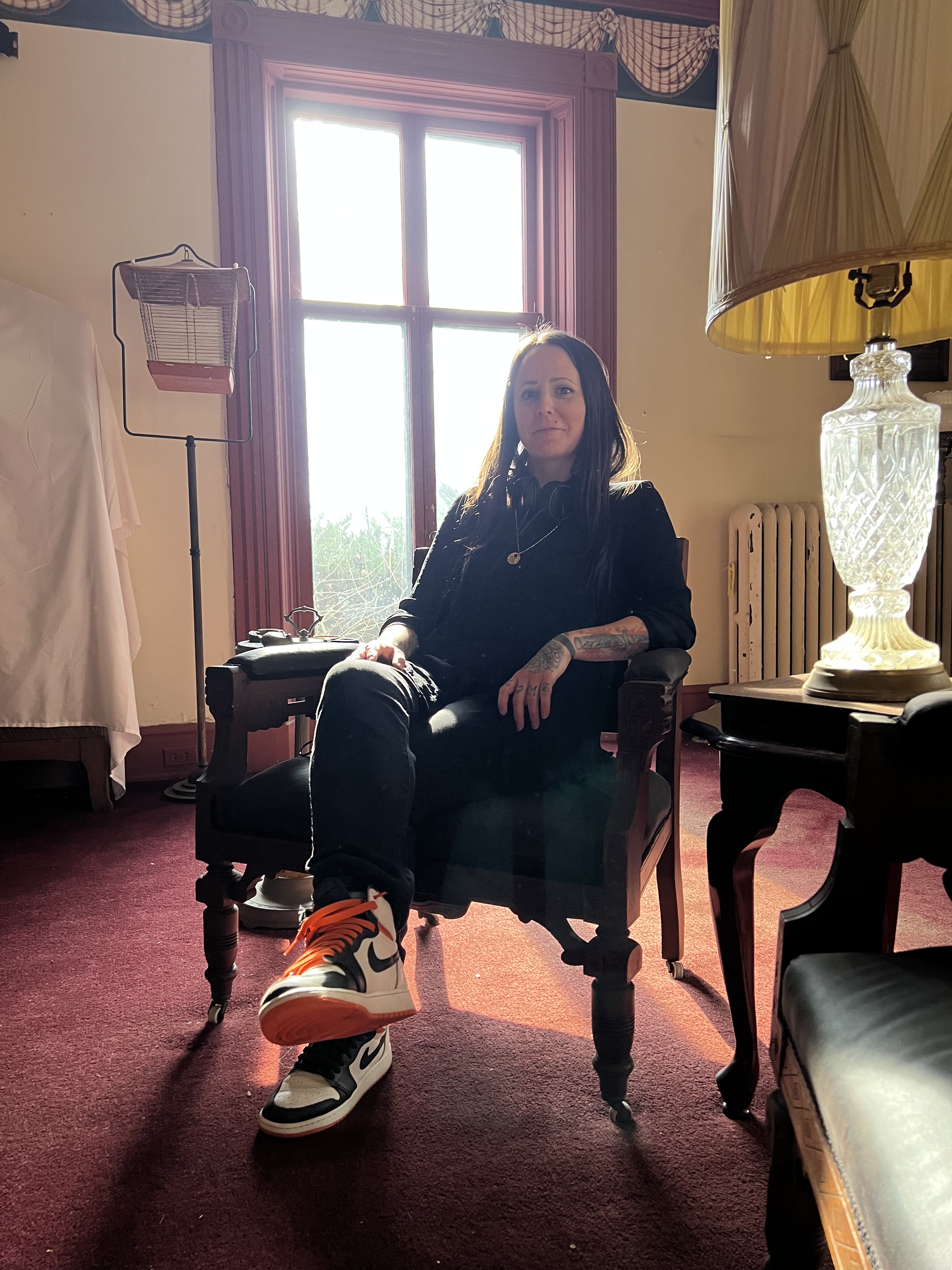
Another shining light in this haunting and enchanting genre is Nikyatu Jusu. Her gripping horror debut entitled Nanny earned her the Grand Jury Prize at Sundance Film Festival. Jusu masterfully weaves together sociopolitical themes with elements of the supernatural, motherhood, and migration, crafting a film teeming with a tense atmosphere and powerful message. Jusu has previously directed several short films, including Suicide by Sunlight, Say Grave Before Drowning, and Flowers. Jusu often explores complex characters from marginalized communities and societal issues, focusing on cultural displacement, identity, and race. While the horror genre has often centered around white characters, Jusu’s commitment to inclusion and multicultural narratives has proven how vital her voice is in horror and cinema overall.

As women from diverse backgrounds carve their paths in this male-dominated genre, horror storytelling is evolving into a multidimensional and gorgeously unsettling experience. These female directors not only infuse the genre with a much-needed feminine perspective but also craft worlds that are both terrifying and titillating.



Leave a Reply